How to Launch Your Online Store in South Africa: A Complete 2026 Guide
South Africa's e-commerce market continues to grow rapidly, and there's never been a better time to bring your business online. Whether you're selling fashion, artisanal food, electronics, or services — this guide covers everything you need to know to launch a successful online store in 2026.
1. Choose the Right E-Commerce Platform
The platform you choose will be the foundation of your online business. Here's what to consider:
Key Features to Look For
- Local payment gateway support — can you accept Paystack, PayFast, or Ozow payments?
- ZAR pricing — avoid paying in USD, which fluctuates against the Rand
- Mobile-first design — over 70% of South African shoppers browse on mobile
- Shipping integration — does it work with local couriers like The Courier Guy, Pargo, or Aramex?
- SEO tools — can Google find your products?
- POPIA compliance — does it handle customer data in line with South African law?
Pro tip: Avoid building a custom website from scratch unless you have a very unique business model. A good SaaS platform gives you 90% of what you need at a fraction of the cost and time.
Why a South African Platform Matters
International platforms like Shopify and WooCommerce are powerful and can get your store live quickly. However, as a South African business, there are some important differences to consider when choosing your platform:
- Currency: International platforms bill you in USD — which means your monthly costs fluctuate with the Rand exchange rate. A platform that prices in ZAR gives you predictable costs.
- Payment gateways: Not all international platforms natively support Paystack and PayFast. You may need third-party plugins or workarounds.
- POPIA compliance: International platforms are built for GDPR (EU) but may not specifically address South Africa's POPIA requirements. A local platform builds this in from the start.
- AI features: Many platforms offer basic AI tools, but integrated AI (semantic search, chatbots, forecasting) often requires expensive add-ons or separate subscriptions.
- Support hours: International support teams operate in US or EU time zones. A local platform gives you support during SA business hours.
💡 Quick Comparison
Sputnik Devs
- ✅ From R499/mo (in ZAR)
- ✅ No setup fees
- ✅ Paystack & PayFast built-in
- ✅ AI features included
- ✅ POPIA compliant
- ✅ SA business hours support
International Platforms
- ⚠️ Billed in USD (exchange rate risk)
- ✅ Low or no setup fees
- ⚠️ SA gateways via plugins
- ⚠️ AI via paid add-ons
- ⚠️ GDPR-focused, not POPIA
- ⚠️ US/EU time zone support
Custom Build
- ❌ R50,000–R200,000+ dev cost
- ❌ R5,000+/mo hosting
- ✅ Full control over features
- ❌ AI requires custom dev
- ⚠️ Compliance is your responsibility
- ❌ 2–6 months to launch
2. Set Up Your Payments
Payment processing is the lifeblood of any online store. In South Africa, you have several excellent options:
Paystack & PayFast
Paystack and PayFast are South Africa's leading payment gateways for online businesses. They support card payments (Visa, Mastercard), instant EFT, and more. Sputnik Devs integrates both gateways — you choose what works best for your customers.
- Transaction fees: Typically 2.9% + R1 per successful transaction
- Settlement: Next business day for most banks
- Recurring billing: Automatic subscription payments for repeat customers
- Security: PCI DSS Level 1 compliant
What You'll Need
- A South African bank account (business or personal)
- Valid South African ID or passport
- Business registration documents (recommended but not required for sole traders)
- A website or social media presence
3. Source and Manage Your Products
Before you launch, get your product catalogue in order:
- High-quality photos — shoot on a clean background with good lighting. A smartphone is fine!
- Compelling descriptions — focus on benefits, not just features. Answer: "Why should I buy this?"
- Accurate pricing — include VAT and be transparent about shipping costs
- Inventory tracking — know what's in stock and set up low-stock alerts
- Product variants — if you sell in different sizes or colours, set these up properly (available on Professional and Enterprise plans)
Tip: Start with 10–20 of your best-selling products. You can always add more later. A focused catalogue converts better than a massive one with poor descriptions.
4. Handle Shipping & Delivery
Shipping can make or break your online store. South African customers expect:
- Transparent pricing — show shipping costs before checkout
- Tracking — provide tracking numbers for every order
- Speed — 2–5 business days for metro areas is the norm
- Free shipping threshold — consider offering free shipping over R500 to increase average order value
Popular SA Courier Services
- The Courier Guy — reliable nationwide coverage, competitive pricing
- Pargo — pickup point network, great for customers who aren't home during the day
- Aramex — good for larger or heavier items
- PostNet — convenient drop-off and collection at PostNet outlets
- Fastway Couriers — affordable option for budget-conscious sellers
5. Market Your Store
Having a great store means nothing if no one knows about it. Here are the most effective marketing channels for SA e-commerce:
Social Media (Free to Start)
- Instagram — perfect for visual products (fashion, food, décor). Use Reels for reach
- Facebook — excellent for community building and paid ads. Join local buy/sell groups
- TikTok — growing fast in SA, especially for younger demographics
- WhatsApp Business — direct communication with customers, catalogues, and broadcast lists
Google (Long-term Traffic)
- SEO — optimise your product pages for search terms South Africans actually use
- Google My Business — if you have a physical location, claim your listing
- Google Ads — start with a small budget (R50/day) targeting high-intent keywords
Email Marketing
Build an email list from day one. Offer a 10% discount for newsletter signup. Send weekly updates with new products, promotions, and useful content. Email marketing consistently delivers the highest ROI of any digital channel.
Our Professional and Enterprise e-commerce plans include built-in email marketing and campaign management tools.
6. Legal Requirements
Running an online store in South Africa requires compliance with several laws:
- POPIA — have a clear privacy policy, get consent for marketing, protect customer data
- CPA (Consumer Protection Act) — 7-day cooling-off period for online purchases, clear returns policy
- ECT Act — display your full business details, provide a complaints process
- SARS registration — register for Income Tax; register for VAT if turnover exceeds R1 million
Ready to Launch?
Starting an online store doesn't have to be expensive or complicated. With the right platform, you can go from idea to live store in 30 minutes. Sputnik Devs' E-Commerce platform gives you everything in this guide out of the box — Paystack & PayFast payments, mobile-responsive design, AI-powered features, SEO tools, and POPIA compliance — starting from just R499/month.
Start selling online today
No setup fees · No long-term contracts · Cancel anytime
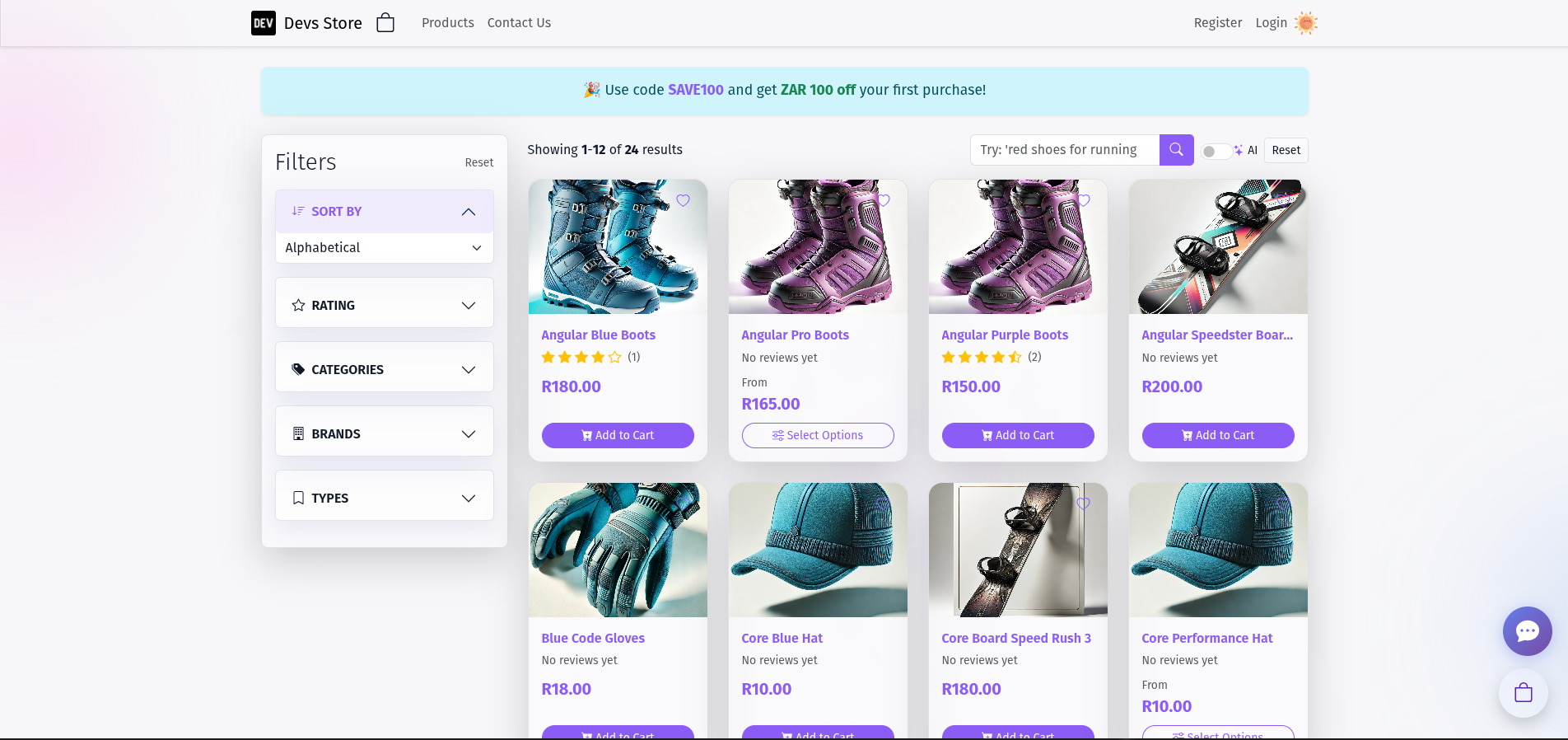
Get Started — From R499/moWant to see it in action first? Check out our live demo store to explore the full shopping experience.